
Homeopathic Remedies for Fevers and Coughs
What is Homeopathy?
Homeopathy is basicly the use of almost untraceable amounts of animal, plant and mineral substances that help to stimulate the body to heal itself. Homeopathic remedies that ‘heal’ are basicly the substance that would induce the ‘symptoms’. It is based upon the belief that like cures like.
The basis of homeopathy rests with matching the specific symptoms (physically, mentally and emotionally) of the illness or injury with those of the given remedy. If a remedy does not work, you can safely assume that the chosen remedy did not closely match the symptoms. In order to ‘choose’ the correct remedy you will want to ask a series of questions before choosing a remedy. You will want to choose the one that most FITS the description of the remedy. You may not have all the ‘symptoms’ that correspond to a homeopathic remedy, but you want the one that has the MAJORITY of the ‘symptoms’ for the remedy. In order to ‘choose’ the correct remedy you will want to ask a series of questions before choosing a remedy. You will want to choose the one that most FITS the description of the remedy. You may not have all the ‘symptoms’ that correspond to a homeopathic remedy, but you want the one that has the MAJORITY of the ‘symptoms’ for the remedy.
Homeopathy can be a very safe and effective way to handle many health challenges. It is fairly inexpensive and very easy to use. You can some on ebay and amazon but personally I like to order from abchomeopathy online.
General Guidelines for How Much to Take.
For the majority of colds and flues, you will give a 30c potency. As a rule, I will use 3-5 pellets or tablets, wait 15 minutes to see if condition improve and/or symptoms subside noticeably. If not, I wait another 15 minutes and then give another dose of 3-5 pellets/tablets. Again, wait to see if improvement happens. If still no improvement, I will give one more time. If no improvement then another remedy is indicated.
IF you see improvement do not give another ‘dose’ of the remedy until symptoms begin to return or become worse again, then give another dose. This will be an ‘as needed’ approach.
Once a person begins to feel much better drop back to only 3 pellets, 2-3 times daily until healed and then one ‘dose’ of 3 pellets daily for 2 more days.
Please keep in mind that there are many remedies for coughs, colds and fevers but typically you will find only 1 or 2 that WORK WELL in that particular person and for that particular illness. Not all colds, coughs and flues are the same!
Fevers: A fever is the body’s attempt to fight infection. In most cases, the fever is
actually helping the body kill the bacteria or virus that is causing the infection. Generally, fevers of 103 degrees or lower are safe; the exceptions are newborns younger than six weeks, those with chronic illness or immune system compromised conditions, and people who tend to have convulsions with fever. If you or your child has a fever and meet any of the exception seek immediate medical help.
Questions to ask yourself or the person you are trying to help to find the ‘right’ remedy for a fever. You may not have to ask all the questions but this is the list:
How do you feel?
Tell me what’s bothering you.
Tell me more.
Anything else?
What makes it worse?
What makes it better?
When do you notice the fever the most?
How did the fever start?
Are you hot or cold or both?
Do you want to wrap up?
Do you want warm or cool air?
Where in your body do you feel the fever? Heat or cold there?
Do you want warm or cool drinks?
What emotions do you feel prior to and since getting sick?
How quickly did it come on?
Having gathered as much information as possible next look at the remedies below single out the ones that immediately match the answers given. Then look at each remedy selected and choose the ONE that most resembles the ‘symptoms’ (answers) and use that one.
Fever remedies:
Aconite: first stage of colds and coughs, sudden onset, develops after exposure to cold
air or wind, often with high fever, often with restlessness or fear, chill from drafts, heat
comes on during sleep, very thirsty, pupils contracted
Worse: night or after falling asleep, warm room, touch, fright, noise, light
Better: motion helps the chill but in general sitting still helps, open air
Arsenicum: chill from 12-2 a.m., periodic (fever comes and goes,) heat of face with
chilled body, thirsty for constant small sips, head feels better from cold, but rest of body
wants warmth, very chilly, increased appetite after chills, restless, fearful, worried
Worse: cold drinks, worry
Better: warm drinks
Belladonna: sudden, intense fever, chill beginning at 3 p.m., dry, burning heat without
chills, face and body burning hot, face red or redness anywhere on body, hands and
feet icy cold, right-sided symptoms, craving lemonade, but generally little thirst, twitching
face or body during fever (main remedy for convulsions/epilepsy after becoming
heated), throbbing, bursting headache, pupils dilated, can go into delirium and
hallucination
Worse: 3 p.m., sun, light, noise, jarring, drafts, motion,
Better: light covering, bending backward, leaning head against something
Bryonia: slowly developing high fever and painful inflammation, great thirst for large
amounts, left frontal headache, face pale during chill, deep red during heat, irriatable,
wants to be left along, wants to go home, anxiety about finances, very aggravated by
motion, touch
Worse: motion, anger, cold, wet weather, eating
Better: open air, lying still
Chamomilla: common children’s remedy, especially during teething, perspiration with
chills, heat only in back or front of body, shuddering with heat, one cheek red and hot,
other pale, excitement, irritability, nothing makes them happy, want things then throw
them away, desires to be held, but it doesn’t always comfort
Worse: 9 a.m. or 9 p.m. or in bed at night, teething, warm covering or uncovering, anger
Better: being carried, sweating, heat, fasting
China: famous remedy for fevers from malaria or fevers that come and go, thirst with
chills, headache with heat, skin sensitive to touch during fever, weakness or fatigue after
prolonged fever, worse after diarrhea or loss of vital fluids, most sensitive and irritable
during fever, anxiety before chills, sensitive to light, noise, odors, spaced out during chill
Worse: motion, open air, drafts, uncovering, touch
Better: hard pressure, warmth
Eupatorium Perfoliatum: fever with severe pain, especially bone pains, chill
beginning in back or hands, thirsty before or during chill, vomiting bile, craves cold things
during fever, warm things during chill, yawning and stretching before chill
Worse: morning from 6-9 a.m., cold air, motion, smell or sight of food
Better: vomiting bile, conversation, sweating, lying on face
Ferrum Phosphoricum: fever with few other symptoms, early stages of fever, fever
after head injury, headache and flushed face, inflammatory states
Worse: right side, night
Better: lying down, cold applications
Gelsemium: fever with weakness and trembling, chill running up and down back, chill
begins in hands or feet, face flushed dark red, eyelids heavy, blurry vision, worse
anticipating something, especially a test
Worse: fright or excitement, spring, humid weather,
Better: profuse urination, sweating, shaking,
Hepar Sulph: fever with suppurating glands, chills without heat after, can’t get warm
enough, needs all parts covered, fever blisters about mouth, voice hoarse
Worse: uncovering, evening and night, cold, dry air, winter, touch
Better: covering, heat
Lycopodium: chill in afternoon especially 4-8 p.m., forehead furrowed during fever, eye
pain during heat, anxious, wants someone in same room but doesn’t want to interact
Worse: in bed, after sleep
Better: rising from bed, warm drinks, motion, urinating
Mercurious: night-time fevers with sweats and weakness, sensitive to both head and
cold, runny nose, salivation on pillow at night, metallic taste in mouth, urine odorous
Worse: rising from bed, too warm or too cold, sweating, lying on right, changing weather
Better: moderate temperature, rest, morning
Natrum Muriaticum: fever or chill 10-11 a.m., begins in fingers or toes, severe
headache, especially on right side, especially after grief, complains little, reserved,
craves salty things
Worse: 10-11 a.m., heat of sun, exertion
Better: open air
Nux vomica: fever with violent heat and chills, after overeating or drinking, headache in
back of head, very irritable
Worse: uncovering at all, turning in bed, open air,
Better: lying very still, warm drinks, heat
Pulsatilla: patternless, constantly changing, clingy, no thirst, wants open air or open
window, tearing in eyes, fever with desire to urinate with nothing passed, numb hands or
feet with chill
Worse: 2-4 p.m., warm room, turning in bed
Better: cold bathing, motion, open air
Rhus-tox: fever with aching, stiffness, restlessness, thirst for small quantities, desire to
stretch, heat on left side, chill on right side or heat on back side of body,
Worse: cold, damp air or weather, getting wet
Better: warmth, warming up body with movement
Next up are the coughs and colds.
Again, we begin with questions-
Questions to ask:
How do you feel?
Tell me what’s bothering you.
Tell me more.
What does the cough feel like?
Anything else?
What makes it worse?
What makes it better?
What body position aggravates the cough?
What body position helps the cough?
What foods do you want?
Do you want warm or cold drinks?
How does swallowing feel (swallowing solids, liquids, empty swallowing?)
What emotions do you feel prior to and since getting sick?
What external things bother you? (light? sound? dust? touching throat? odor?
etc)
What kind of weather were you in prior to the cough?
What activities aggravate the cough? (breathing? moving? eructation? talking?
sneezing etc.)
What other conditions accompany the cough? (chills? sleepiness? fever?
diarrhea? etc)
What type of cough is it? (barking? deep? distressing? dry? paroxysmal?
suffocative? whistling? etc.)
Having gathered as much information as possible next look at the remedies below single out the ones that immediately match the answers given. Then look at each remedy selected and choose the ONE that most resembles the ‘symptoms’ (answers) and use that one.
Aconite: first stage of colds and coughs, develops after exposure to cold air or wind,
often with high fever, often with restlessness or fear
Worse: night or after falling asleep, breathing in, lying on either side
Better: lying on back
Allium cepa: cough from colds or allergies, often with lots of watery discharge from
nose that irritates skin and watery discharge from eyes that is not irritating, cough is
painful, may grasp the larynx with pain at each cough
Worse: evening, warm room
Better: open air
Antimonium-tartaricum: noisy, rattling, loose cough – sounds like chest filled with
mucous but cough too weak to expel mucous, especially in elderly or young children,
person may be irritable or not want to be touched, main remedy for pertussis (whooping
cough)
Worse: night, especially 10 p.m. to midnight, becoming irritated, lying
Better: sitting, bending head backwards
Arnica: pertussis remedy, painful, racking cough, person fears each cough, holds chest,
weeping with pain of cough, nose can bleed with cough or burst eye vessels, holds chest
wit each cough, thick, sticky, yellow, can be bloody mucous
Worse: pain
Better: lying with head low or outstretched
Bryonia: severely painful cough felt in whole head and chest, dry cough with each
movement or deep breath, afraid of breathing in
Worse: eating or swallowing, overheating, lying with head low, ascending, raising arms,
bending head backward
Better: open air
Belladonna: Sudden high fever, cough in paroxysms (many at a time), bursting
headache with each cough, bright red face
Worse: motion, deep breath, dust, touching larynx, yawning, bright light, noise, night
Better: less stimulus – resting in dark
Causticum: irritating, tickling cough, difficult to expectorate, but keeps coughing
deeper to try and get it up. Can have cough at any hour, but vanishing during the day is
a strong indication for Causticum. There may be urinary leakage with the cough.
Worse: Drafts or cold air, becoming heated at night, lying, bending head forward,
talking, bathing
Better: Cold drinks, rainy weather
Coccus Cacti: Paroxysmal (many at a time), tickling cough at 6 or 7 a.m. or 11:30 p.m.,
cough can be dry or produce ropes of thick mucous
Worse: becoming heated, warm rooms, warm drinks or food., lying, rinsing mouth, winter,
in alcoholics
Better: Cold or open air, cold drinks, cold food
Drosera: hard, deep, violent, paroxysmal cough, irritated airways, tickling and dry
throat, suffocative cough, can press the pit of stomach to start cough, but cough so
painful must hold chest, can have bloody expectoration
Worse: being enclosed
Better: sitting up, walking slowly
Hepar Sulph: dry or productive cough, mucous is thick and yellow if present, cough
dry at night, loose in morning, cough all night long, chilly, wants to be covered
Worse: chill
Better: warmth, expectoration
Ipecac: very dry cough, asthma, irritated or tickling cough in paroxysms, choking or
gagging with cough, frequent vomiting with cough
Worse: night, esp. 7 p.m., deep breathing in, esp. morning in bed, eating, warm room
Better: after expectoration, cold drinks
Kali-Carbonicum: cough at night, esp. 2-4 a.m., dry, tickling cough, bronchitis,
productive cough (sputum comes up), stitching pains in chest with cough, may be
vomiting
Worse: 2-4 a.m., on first going to sleep, cold air or draft, lying, exertion, deep inspiration,
warm food.
Better: Sitting upright or bent forward
Lachesis: cough from allergy, severe infections or heart problems, sensation of crumb
or obstruction in larynx, any attempt to talk causes cough
Worse: all night, disturbing sleep, wakes with cough as soon as falls asleep or in morning
on waking, stuffy room, lying on left, drinking
Better: open air, after expectoration
Mercury: paroxysms of cough at night and from warmth of bed, dry at night, yellowgreen
expectoration during day, tickling behind upper part of sternum, sounds and feels
like chest very dry, hoarseness, diarrhea, salivation, with running nose or nasal
congestion, can’t get temperature right, too hot or too cold
Worse: night, talking, sweating, drafts, artificial light
Better: rest, morning, moderate temperature
Phosphorus: every cold ends in cough and chest infection, dry, tickling cough, painful
cough, burning in chest with cough, headache during cough, must squeeze chest with
pain of cough, exhaustion, trembling from cough, can vomit with cough
Worse: cold air, talking, nervous, entrance of stranger, strong odors, morning in bed and
at night when falling asleep or waking from sleep, lying on back
Better: cold drinks, eating refreshing things, soda, fruit, sleep, dark
Pulsatilla: cough from allergy or asthma, loose rattling with green, juicy
expectoration, dry cough evening, loose morning, can have tearing with cough or
urinary leakage
Worse: evening or night in bed, becoming cold, warm room, smoky room, warm drinks,
exertion, lying, measles, before menses or if menses suppressed by pill
Better: open or cool air, gentle walking, sitting, deep breath, lying propped on pillows
Rumex: intense tickling with cough, covers mouth in cold because it causes cough
Worse: 11 p.m. morning, cold air, entering or leaving warm room, undressing, uncovering,
bending head backwards, pressing on pit of throat
Better: turning on right side
Spongia: dry, hacking, barking cough from allergy, asthma or infection, suffocative
cough, can turn blue, burning in throat, chest, larynx with cough
Worse: around midnight, both day and night, cold, dry air, cold drinks
Better: warm food or drinks, eating or drinking, sucking on hard candy or cough drops,
sitting, bending head forward
Squilla: sudden, violent, dry, paroxysmal cough with headache, copious sputum, but
only in morning, may pass stool, urine or have tears with cough, sore chest and abdomen
with cough, urge to blow nose after cough
Worse: taking deep breath, cold drinks
Better: expectoration, sitting up
Please keep in mind that I, Laura Macklem, survivingshtfmom, am NOT a medical professional…I am passing along information that I personally use that may or may not help you. If in doubt, please seek professional medical advice, especially in the event of a medical emergency. I am an advocate of self-care, not harm.

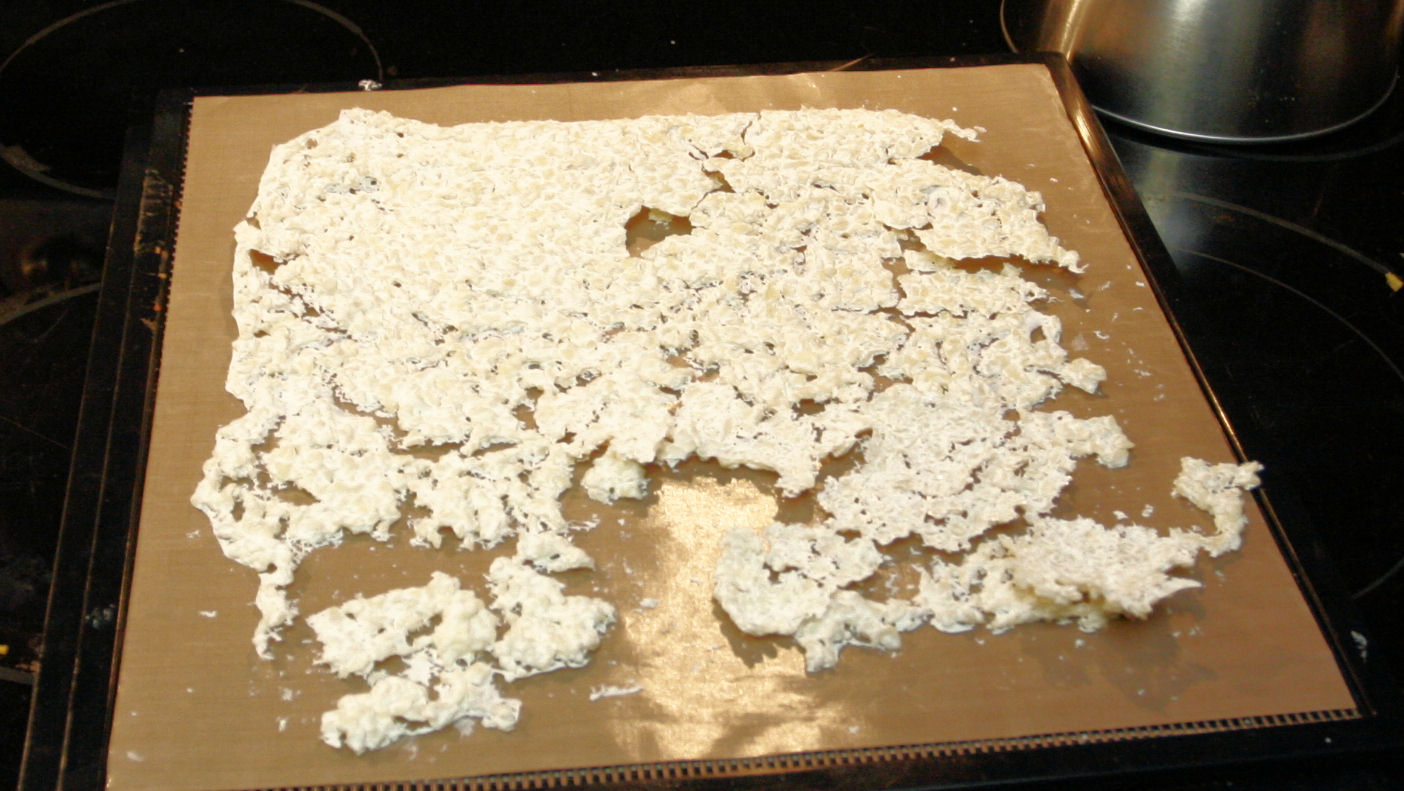
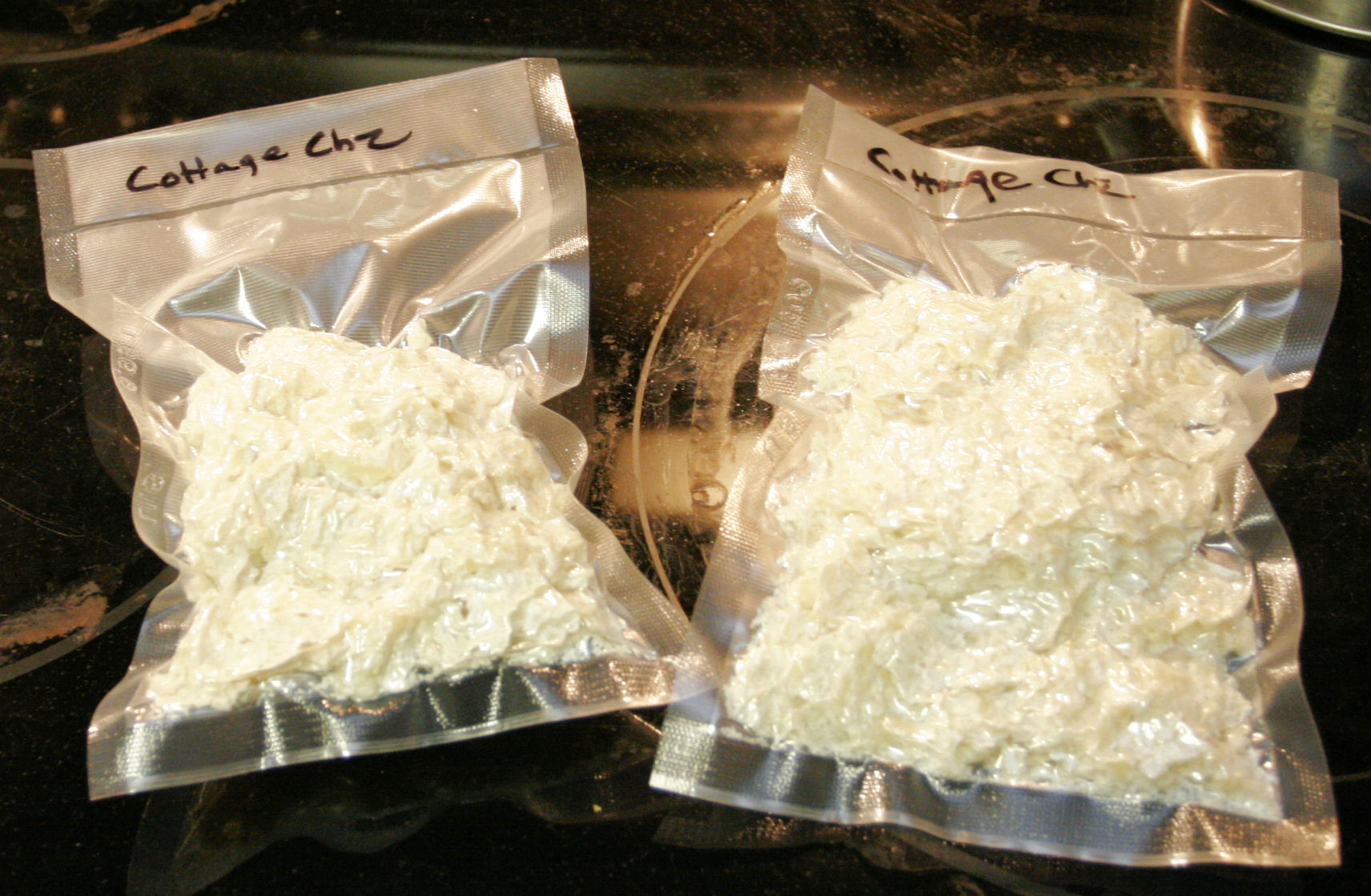
 Conventional ‘food wisdom’ (ie the food police known as the USDA and FDA) ‘says’ you can’t dehydrate cottage cheese. Well, yes you CAN!!


 survivingshtfmom
Suicide is Preventable: Know the Facts and Get Help
For immediate assistance for you or someone else there is a national hotline number:
1-800-273 TALK (8255)
Vet2Vet Talk Line 1-855-838-7481
If you don’t wish to talk to someone unknown, then please call a friend or family member to talk.
Suicide is not an act of cowardice nor an act of selfishness. It is not directed at any individual or person in the life of the person who is contemplating or has committed suicide. It is not personal. It is an act of desperation borne out of hopelessness that someone feels is insurmountable. The best way I have seen and heard it put is that someone contemplating suicide is in a deep, tarry pit of blackness with no light.
It is a fact that 90% of people who, at the time they commit or attempt to commit suicide have a diagnosable and TREATABLE mental health issues.
Risk factors include:
Biggest risk factor is clinical depression
Undiagnosed or untreated mental health issues
Family history of suicide
Knowing someone (close) who has committed suicide
Family history of child neglect/abuse
History of abuse (domestic, sexual assaults)
History of brain injury
History of traumatic experiences
Previous suicide attempt(s)
History of alcohol and substance abuse
Feelings of hopelessness
Impulsive or aggressive tendencies
Isolation, a feeling of being cut off from other people
Barriers to accessing mental health treatment
Loss (relational, social, work, or financial)
Physical illness
Easy access to lethal methods
Unwillingness to seek help because of the stigma attached to mental health and substance abuse disorders or to suicidal thoughts
Suicidal ideation
Risk factors do not indicate that someone will commit suicide, just that their chances of committing suicide increase.
Prevention and intervention become key.
There are twice as many suicides in the US than homicides. For everyone person who completes suicide, approximately another 12 attempt suicide. WHO (World Health Organization) estimates that approximately 1 million people around the world commit suicide yearly. Many who attempt suicide never receive any help.
Know the warning signs. The best way to prevent suicide is to recognize the warning signs and how to respond if you spot them. If you believe that a friend or family member is suicidal, you can play a role in suicide prevention by pointing out the alternatives, showing that you care and are there to listen to them without judgment, and getting a doctor or psychologist involved, if they are willing.
In my own time of answering a hotline the biggest help I was able to give someone was just listening to them. Not providing answers unless directly asked nor arguing with them about how they felt. Learning how to listen without taking charge or downplaying someone’s feelings is essential in helping.
The below has been taken directly from and more information can be found at : Help Guide
Major warning signs for suicide include talking about killing or harming oneself, talking or writing a lot about death or dying, and seeking out things that could be used in a suicide attempt, such as weapons and drugs. These signals are even more dangerous if the person has a mood disorder such as depression or bipolar disorder, suffers from alcohol dependence, has previously attempted suicide, or has a family history of suicide.
Take any suicidal talk or behavior seriously. It’s not just a warning sign that the person is thinking about suicide—it’s a cry for help.
A more subtle but equally dangerous warning sign of suicide is hopelessness. Studies have found that hopelessness is a strong predictor of suicide. People who feel hopeless may talk about “unbearable” feelings, predict a bleak future, and state that they have nothing to look forward to.
Other warning signs that point to a suicidal mind frame include dramatic mood swings or sudden personality changes, such as going from outgoing to withdrawn or well-behaved to rebellious. A suicidal person may also lose interest in day-to-day activities, neglect his or her appearance, and show big changes in eating or sleeping habits.
Talking about suicide
Any talk about suicide, dying, or self-harm, such as “I wish I hadn’t been born,” “If I see you again…” and “I’d be better off dead.”
Seeking out lethal means Seeking access to guns, pills, knives, or other objects that could be used in a suicide attempt.
Preoccupation with death Unusual focus on death, dying, or violence. Writing poems or stories about death.
No hope for the future Feelings of helplessness, hopelessness, and being trapped (“There’s no way out”). Belief that things will never get better or change.
Self-loathing, self-hatred Feelings of worthlessness, guilt, shame, and self-hatred. Feeling like a burden (“Everyone would be better off without me”).
Getting affairs in order Making out a will. Giving away prized possessions. Making arrangements for family members.
Saying goodbye Unusual or unexpected visits or calls to family and friends. Saying goodbye to people as if they won’t be seen again.
Withdrawing from others Withdrawing from friends and family. Increasing social isolation. Desire to be left alone.
Self-destructive behavior Increased alcohol or drug use, reckless driving, unsafe sex. Taking unnecessary risks as if they have a “death wish.”
Sudden sense of calm A sudden sense of calm and happiness after being extremely depressed can mean that the person has made a decision to commit suicide.
Suicide prevention tip #1: Speak up if you’re worried
If you spot the warning signs of suicide in someone you care about, you may wonder if it’s a good idea to say anything. What if you’re wrong? What if the person gets angry? In such situations, it’s natural to feel uncomfortable or afraid. But anyone who talks about suicide or shows other warning signs needs immediate help—the sooner the better.
Talking to a person about suicide
Talking to a friend or family member about their suicidal thoughts and feelings can be extremely difficult for anyone. But if you’re unsure whether someone is suicidal, the best way to find out is to ask. You can’t make a person suicidal by showing that you care. In fact, giving a suicidal person the opportunity to express his or her feelings can provide relief from loneliness and pent-up negative feelings, and may prevent a suicide attempt.
Ways to start a conversation about suicide:
• I have been feeling concerned about you lately.
• Recently, I have noticed some differences in you and wondered how you are doing.
• I wanted to check in with you because you haven’t seemed yourself lately.
Questions you can ask:
• When did you begin feeling like this?
• Did something happen that made you start feeling this way?
• How can I best support you right now?
• Have you thought about getting help?
What you can say that helps:
• You are not alone in this. I’m here for you.
• You may not believe it now, but the way you’re feeling will change.
• I may not be able to understand exactly how you feel, but I care about you and want to help.
• When you want to give up, tell yourself you will hold off for just one more day, hour, minute—whatever you can manage.
When talking to a suicidal person
Do:
• Be yourself. Let the person know you care, that he/she is not alone. The right words are often unimportant. If you are concerned, your voice and manner will show it.
• Listen. Let the suicidal person unload despair, ventilate anger. No matter how negative the conversation seems, the fact that it exists is a positive sign.
• Be sympathetic, non-judgmental, patient, calm, accepting. Your friend or family member is doing the right thing by talking about his/her feelings.
• Offer hope. Reassure the person that help is available and that the suicidal feelings are temporary. Let the person know that his or her life is important to you.
• If the person says things like, “I’m so depressed, I can’t go on,” ask the question: “Are you having thoughts of suicide?” You are not putting ideas in their head, you are showing that you are concerned, that you take them seriously, and that it’s OK for them to share their pain with you.
But don’t:
• Argue with the suicidal person. Avoid saying things like: “You have so much to live for,” “Your suicide will hurt your family,” or “Look on the bright side.”
• Act shocked, lecture on the value of life, or say that suicide is wrong.
• Promise confidentiality. Refuse to be sworn to secrecy. A life is at stake and you may need to speak to a mental health professional in order to keep the suicidal person safe. If you promise to keep your discussions secret, you may have to break your word.
• Do NOT Offer ways to fix their problems, or give advice, or make them feel like they have to justify their suicidal feelings. It is not about how bad the problem is, but how badly it’s hurting your friend or loved one.
• Blame yourself. You can’t “fix” someone’s depression. Your loved one’s happiness, or lack thereof, is not your responsibility.
Adapted from: Metanoia.org
Suicide prevention tip #2: Respond quickly in a crisis
If a friend or family member tells you that he or she is thinking about death or suicide, it’s important to evaluate the immediate danger the person is in. Those at the highest risk for committing suicide in the near future have a specific suicide PLAN, the MEANS to carry out the plan, a TIME SET for doing it, and an INTENTION to do it.
The following questions can help you assess the immediate risk for suicide:
• Do you have a suicide plan? (PLAN)
• Do you have what you need to carry out your plan (pills, gun, etc.)? (MEANS)
• Do you know when you would do it? (TIME SET)
• Do you intend to commit suicide? (INTENTION)
If a suicide attempt seems imminent, call 1-800-273-TALK(8255), dial 911, or take the person to an emergency room. Remove guns, drugs, knives, and other potentially lethal objects from the vicinity but do not, under any circumstances, leave a suicidal person alone.
Level of Suicide Risk
Low — Some suicidal thoughts. No suicide plan. Says he or she won’t commit suicide.
Moderate — Suicidal thoughts. Vague plan that isn’t very lethal. Says he or she won’t commit suicide.
High — Suicidal thoughts. Specific plan that is highly lethal. Says he or she won’t commit suicide.
Severe — Suicidal thoughts. Specific plan that is highly lethal. Says he or she will commit suicide.
Suicide prevention tip #3: Offer help and support
If a friend or family member is suicidal, the best way to help is by offering an empathetic, listening ear. Let your loved one know that he or she is not alone and that you care. Don’t take responsibility, however, for making your loved one well. You can offer support, but you can’t get better for a suicidal person. He or she has to make a personal commitment to recovery.
It takes a lot of courage to help someone who is suicidal. Witnessing a loved one dealing with thoughts about ending his or her own life can stir up many difficult emotions. As you’re helping a suicidal person, don’t forget to take care of yourself. Find someone that you trust—a friend, family member, clergyman, or counselor—to talk to about your feelings and get support of your own.
Helping a suicidal person:
• Get professional help. Do everything in your power to get a suicidal person the help he or she needs. Call a crisis line for advice and referrals. Encourage the person to see a mental health professional, help locate a treatment facility, or take them to a doctor’s appointment.
• Follow-up on treatment. If the doctor prescribes medication, make sure your friend or loved one takes it as directed. Be aware of possible side effects and be sure to notify the physician if the person seems to be getting worse. It often takes time and persistence to find the medication or therapy that’s right for a particular person.
• Be proactive. Those contemplating suicide often don’t believe they can be helped, so you may have to be more proactive at offering assistance. Saying, “Call me if you need anything” is too vague. Don’t wait for the person to call you or even to return your calls. Drop by, call again, invite the person out.
• Encourage positive lifestyle changes, such as a healthy diet, plenty of sleep, and getting out in the sun or into nature for at least 30 minutes each day. Exercise is also extremely important as it releases endorphins, relieves stress, and promotes emotional well-being.
• Make a safety plan. Help the person develop a set of steps he or she promises to follow during a suicidal crisis. It should identify any triggers that may lead to a suicidal crisis, such as an anniversary of a loss, alcohol, or stress from relationships. Also include contact numbers for the person’s doctor or therapist, as well as friends and family members who will help in an emergency.
• Remove potential means of suicide, such as pills, knives, razors, or firearms. If the person is likely to take an overdose, keep medications locked away or give out only as the person needs them.
• Continue your support over the long haul. Even after the immediate suicidal crisis has passed, stay in touch with the person, periodically checking in or dropping by. Your support is vital to ensure your friend or loved one remains on the recovery track.
I will also add this: do NOT be afraid to advocate for them with the mental health system. In many states it can take a lot to make sure someone with a mental health issue gets the care that they need. But you can do it and so can they!
As a final note: PTSD is becoming increasing a high risk factor in terms of suicide. The very nature of PTSD and the way it is conceived makes it difficult for those suffering with PTSD to reach out and get the help they need. And many people suffering from PTSD are our returning Veterans. It is believed that approximately every 65 minutes one of our returning Veterans commits suicide. If you are a veteran, a family member or a friend of Veteran, please let them know you are there for them and will help them.
Phone numbers and resources:
Suicide prevention hotline: 1-800-273-TALK(8255)
When you dial 1-800-273-TALK (8255), you are calling the crisis center in the Lifeline network closest to your location. After you call, you will hear a message saying you have reached the National Suicide Prevention Lifeline. You will hear hold music while your call is being routed. You will be helped by a skilled, trained crisis worker who will listen to your problems and will tell you about mental health services in your area. Your call is confidential and free.
In an EMERGENCY call 911
Veterans Crisis Line
this is for veterans, guardsmen, friends and family members of those who have served our country
1-800-273-8255 and Press 1
Or send a text message to 838255
Vet2Vet Talk Line 1-855-838-7481
The Vet2Vet Talk Line (1-855-838-7481) provides 24/7 confidential peer support, information and referrals for all of America’s Veterans and their families. Every call is answered by a Veteran who understands the rewards and challenges of military service and is trained to provide compassionate and caring peer support along with access to a wide array of services across the nation.
Need help finding a qualified therapist in your area?
The link above will take you directly to a ‘find a therapist’ page. The therapists listed here all specialize in anxiety/depressive disorders.
No one willingly wants to die…it is not human nature…human nature is about survival and sometimes we need help. Don’t be alone or afraid anymore.
God Bless and Keep You
survivingshtfmom